Governments of Eswatini, Mozambique and South Africa Officially Launch UNDP-GEF IncoMaputo Project
July 23, 2026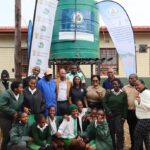
INMACOM VUNWE Programme (2026-2029) proudly donates two 5,000-litre water harvesting tanks
August 4, 2026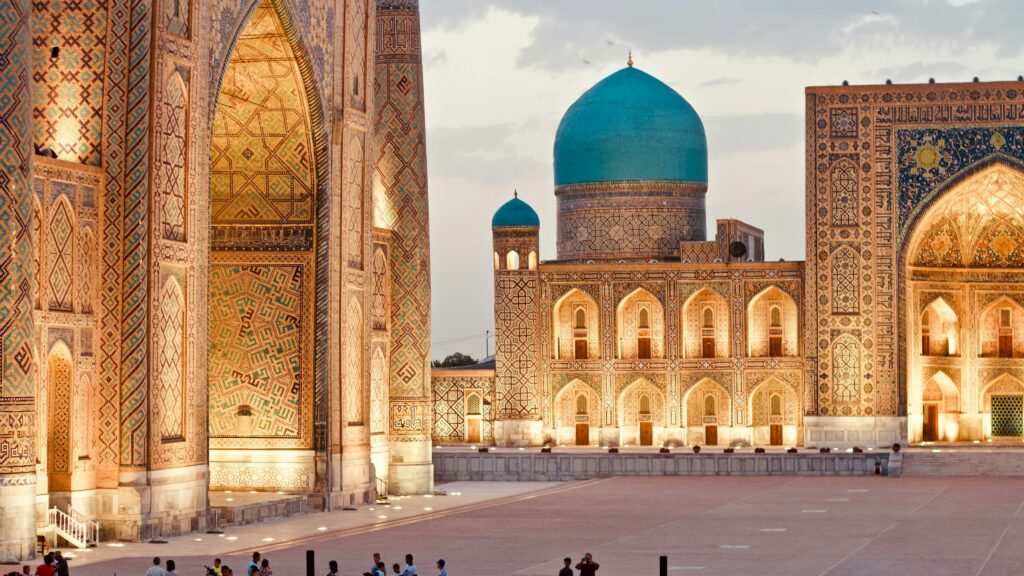
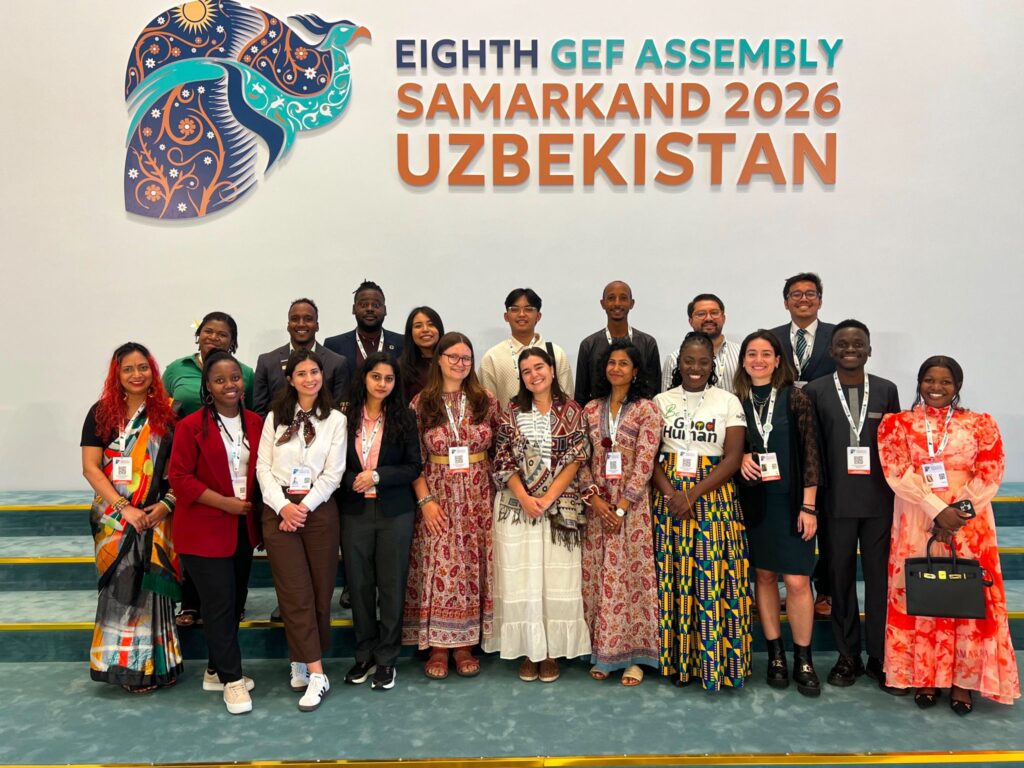
The UNDP-GEF Project: “Strengthening Integrated Transboundary Management of the Incomati and Maputo River Basins,” also referred to as the GEF-8 IncoMaputo Project, was part of the Eighth Global Environment Facility (GEF) Assembly in Samarkand, Uzbekistan, which was held from 30 May to 6 June 2026.
The project is funded by the Global Environment Facility (GEF) and implemented by UNDP with the execution by the Global Water Partnership Southern Africa (GWPSA). The project supports the Incomati and Maputo Watercourse Commission (INMACOM) and its three Member States, Republic of South Africa, the Kingdom of Eswatini and the Republic of Mozambique, to strengthen basin‑wide planning, data and information systems, climate and disaster risk preparedness, and source‑to‑sea management, so that shared water resources can better sustain livelihoods, ecosystems and economic development across the region.
The project’s Regional Gender and Safeguards Officer Gcinile Ndzinisa attended the assembly where she was a panellist in the Round Table discussion “Leaving No One Behind” under the Panel on Territorial Management and Communication Leadership. She represented the project by contributing to discussions on youth‑led engagement in transboundary water governance, underscoring the importance of inclusive participation in environmental decision making.
The Minister for Tourism and Environmental Affairs in the Kingdom of Eswatini, Honourable. Jane Mkhonta-Simelane, also attended the assembly and described the GEF-8 IncoMaputo Project as key in advancing Eswatini’s environmental and development goals.
“Eswatini recognises the Global Environment Facility (GEF) as a strategic partner in advancing national development. GEF has consistently supported the implementation of our National Development Plan, National Adaptation Plan, and Nationally Determined Contributions,” she said.
At the Eighth GEF Assembly, participants discussed integration, which meant weaving together biodiversity, climate, land, and water, the very systems that farmers, fishers, and families rely on every day. Discussions around blended finance also took centre stage.
For Indigenous Peoples, Small Island States, and Least Developed Countries, the Assembly’s promise of scaled‑up support meant hope: protection against rising seas, droughts, and the erosion of ancestral lands. Beyond the plenary halls, civil society forums and learning stations the youth, grassroots leaders, and innovators were given the chance to share their stories of resilience and adaptation.
The outcomes of the Assemble carry special weight for organizations like INMACOM that embody the Assembly’s spirit of cooperation, linking water security, resilience, and livelihoods across borders. With access to GEF‑9 funding, communities now have new opportunities to strengthen ecosystems, build resilience, and amplify their voice in global environmental governance.
The Assembly convened more than 2,000 delegates from 186 countries, marking the launch of the GEF‑9 replenishment valued at $3.9 billion. It set strategic priorities for the “final sprint” toward achieving the 2030 environmental goals, reinforcing the global commitment to resilience, sustainability, and inclusive development.