
- Cooperation Amongst Member States
- Enable Knowledge and Information Sharing
- Support transboundary IWRM
- Capacity Building and Training
- Foster and Promote Research
- Support Infrastructure Development
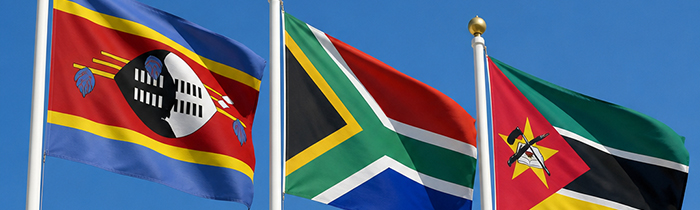
INMACOM fosters regional collaboration among the Kingdom of Eswatini, the Republic of Mozambique, and the Republic of South Africa to ensure the sustainable sharing, equitable use, and protection of water resources within the Incomati and Maputo River Basins.
Through coordinated data exchange, joint planning, and collective action, the Commission strengthens resilience to climate variability and promotes long-term water security for communities, ecosystems, and economies throughout the region.

By facilitating transparent access to hydrological information, water quality indicators, and reservoir levels, the Commission supports evidence-based planning, management, and decision-making processes.
This collaborative approach ensures that policies and strategies are informed, equitable, and aligned with the long-term sustainability of shared water resources.
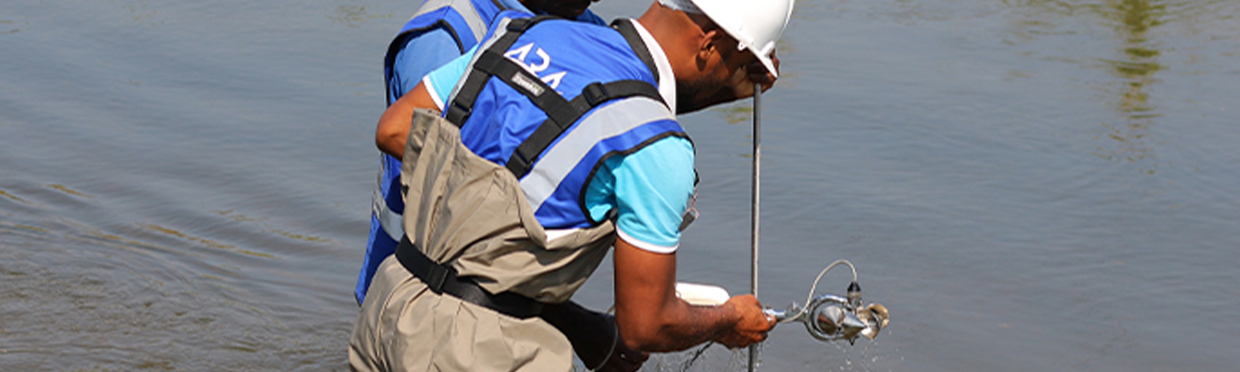
With a particular focus on practical interventions that deliver environmental and socioeconomic benefits, the Commission seeks to balance ecological protection with the needs of communities and economies.
INMACOM strengthens resilience, promotes equitable access, and supports long-term sustainability amid climate variability.
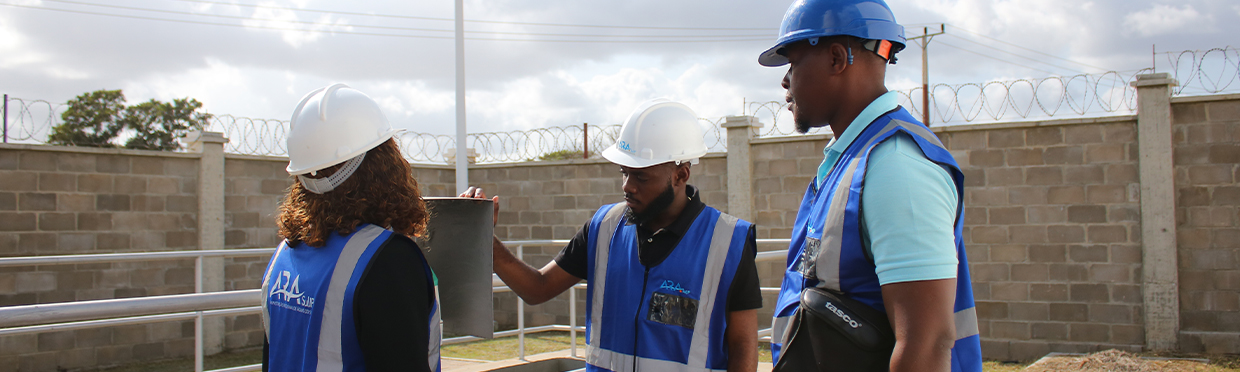 Through targeted training programmes, workshops, and knowledge-sharing initiatives, the Commission empowers institutions, communities, and professionals to actively contribute to the sustainable management and protection of shared water resources in the Incomati and Maputo River Basins.
By supporting applied research, scientific studies, and collaborative initiatives, the Commission generates evidence that deepens understanding of hydrological systems and environmental dynamics.
The research-driven approach enables better management, equitable allocation, and sustainable protection of shared water resources, ensuring that decisions are informed by reliable data and long-term resilience goals.
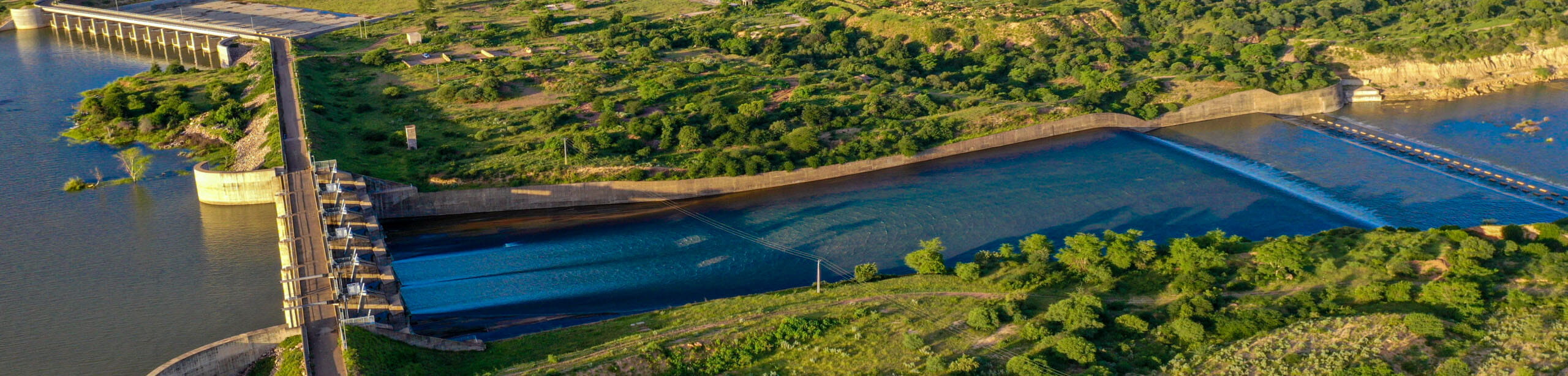
INMACOM promotes the sustainable development and management of water infrastructure across the Incomati and Maputo River Basins.
By supporting projects that enhance storage, distribution, and monitoring systems, the Commission ensures that shared water resources are managed responsibly and equitably.