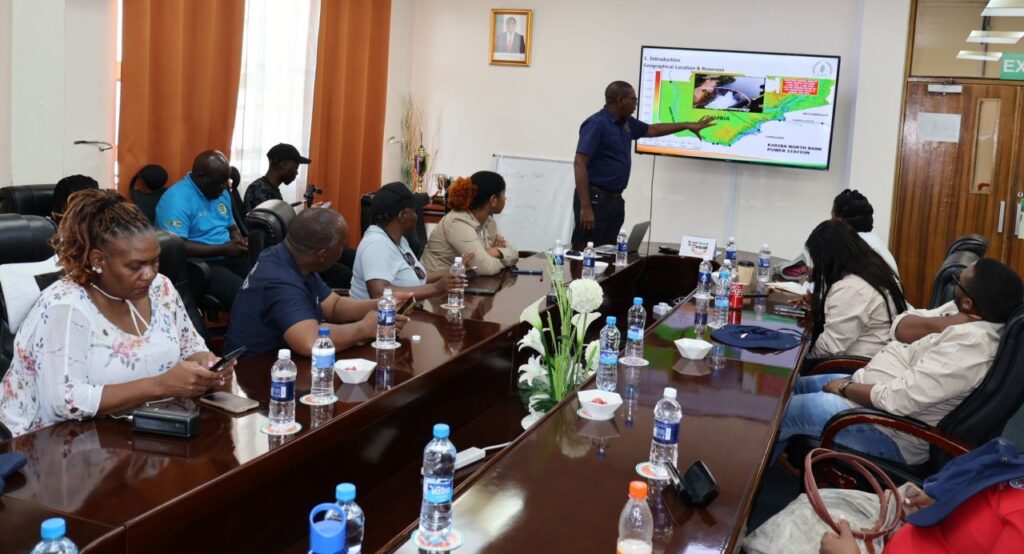
Technical Alignment Workshop with the Joint River Basin Authorities – Project Board
September 21, 2026
Practical training bringing together INMACOM’s Project Management Unit and Eswatini’s Joint River Basin Authorities Project Board
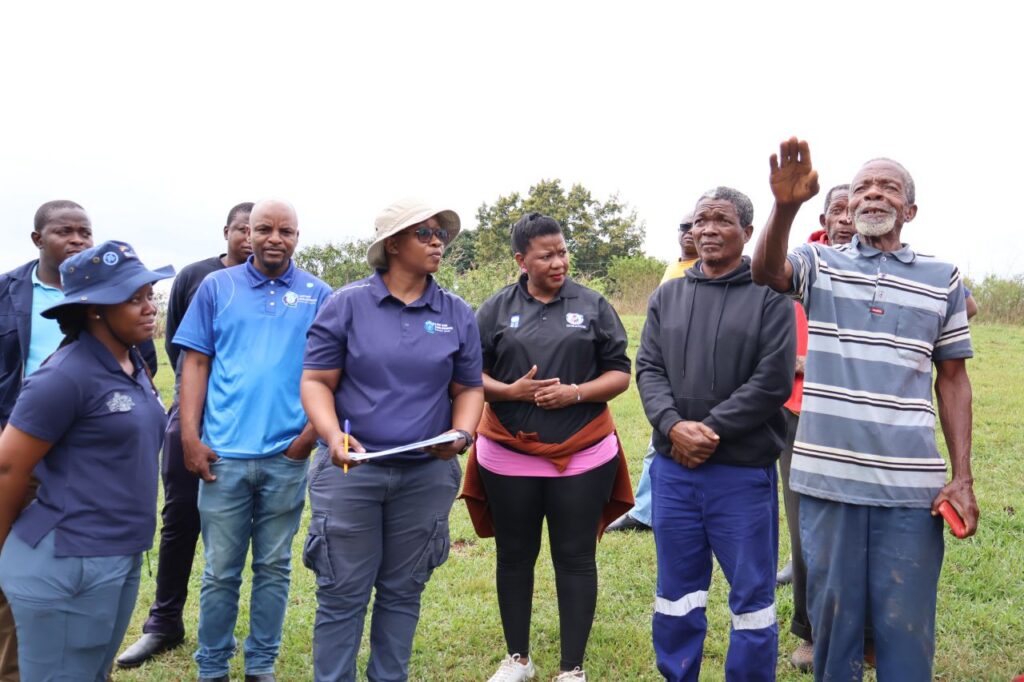
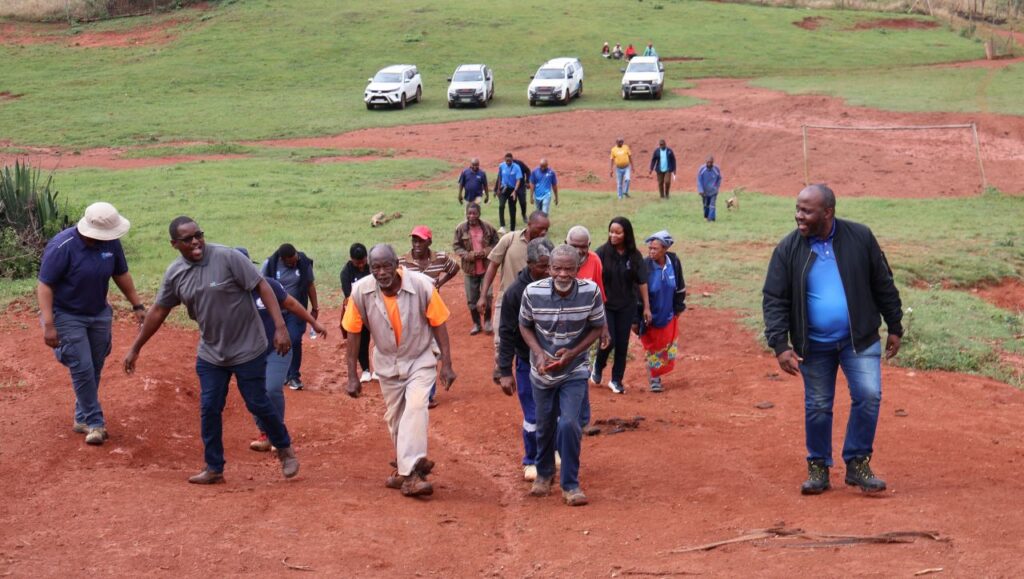
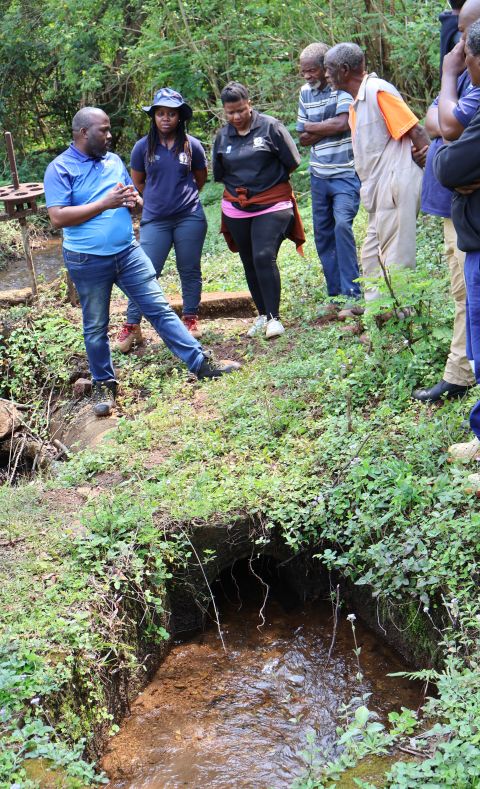
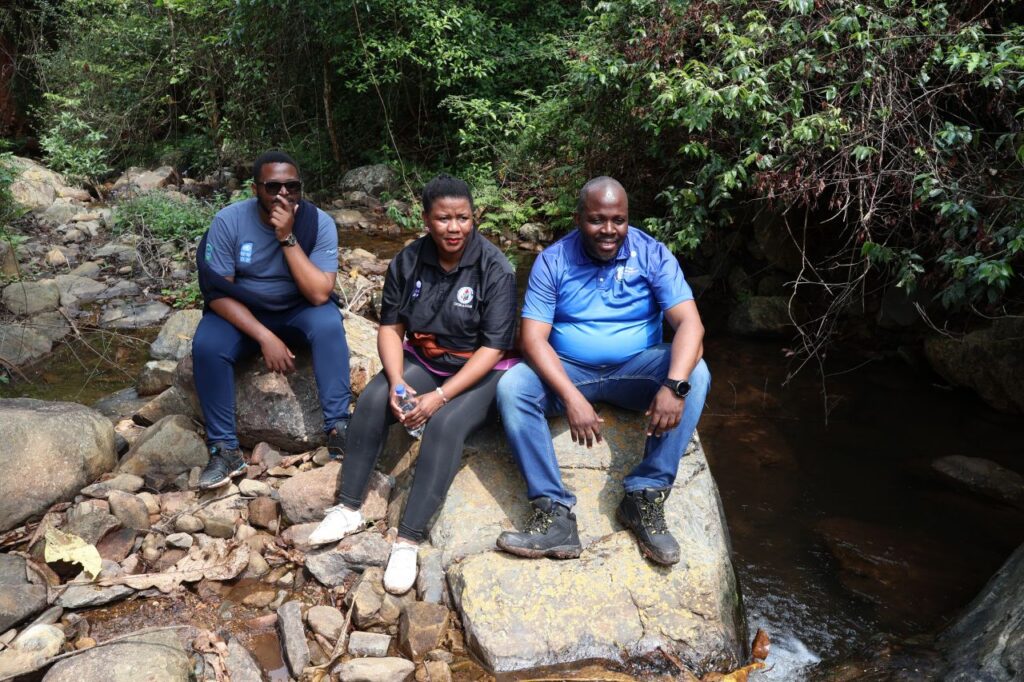
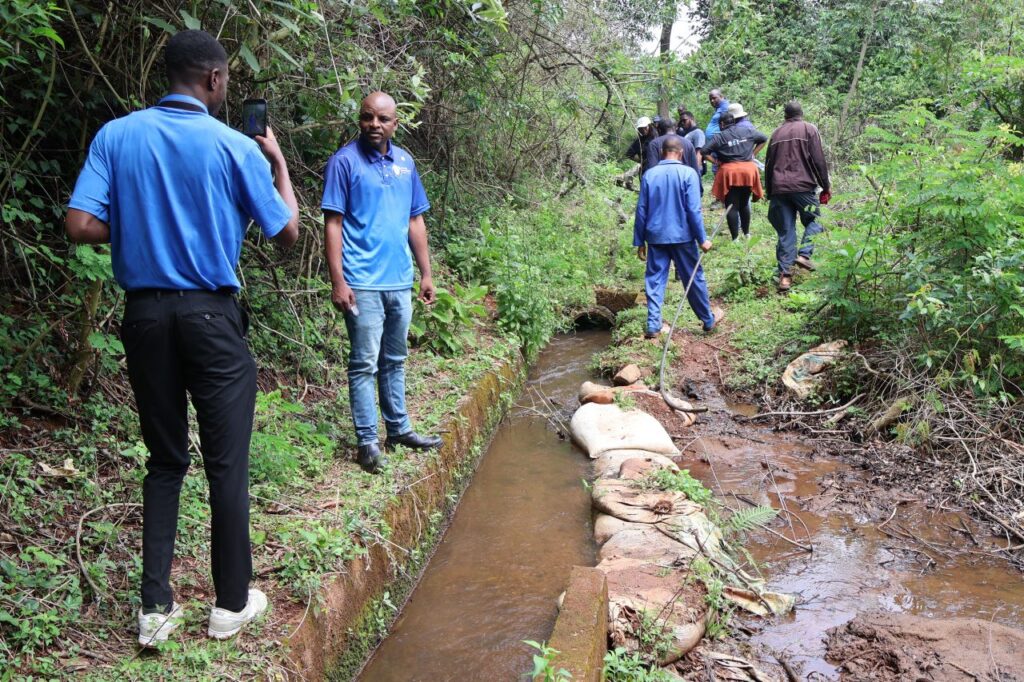
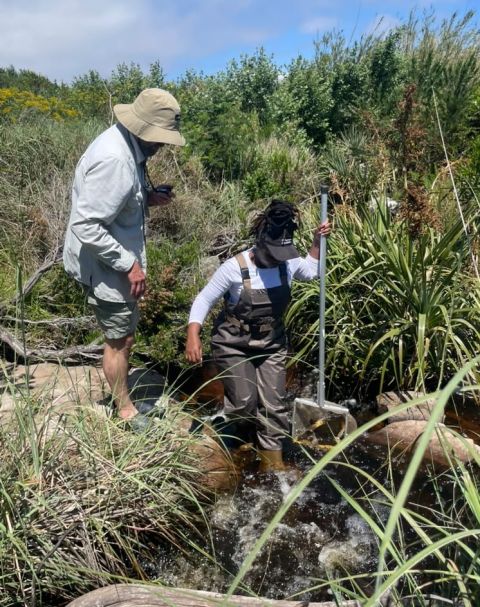
October 13, 2026Following the Technical Alignment Workshop on the Global Environment Facility IncoMaputo Component 4 demonstration projects, the Joint River Basin Authorities – Project Board , under the Lomati River Basin Authority, together with INMACOM, Global Water Partnership Southern Africa , the Project Management Unit, conducted a site visit to communities in the Lomati River Basin.
The visit provided a first‑hand look at how the Lomati Farm wise Smart Agriculture Project is advancing water‑use efficiency, food security, livelihoods, and ecological diversity:
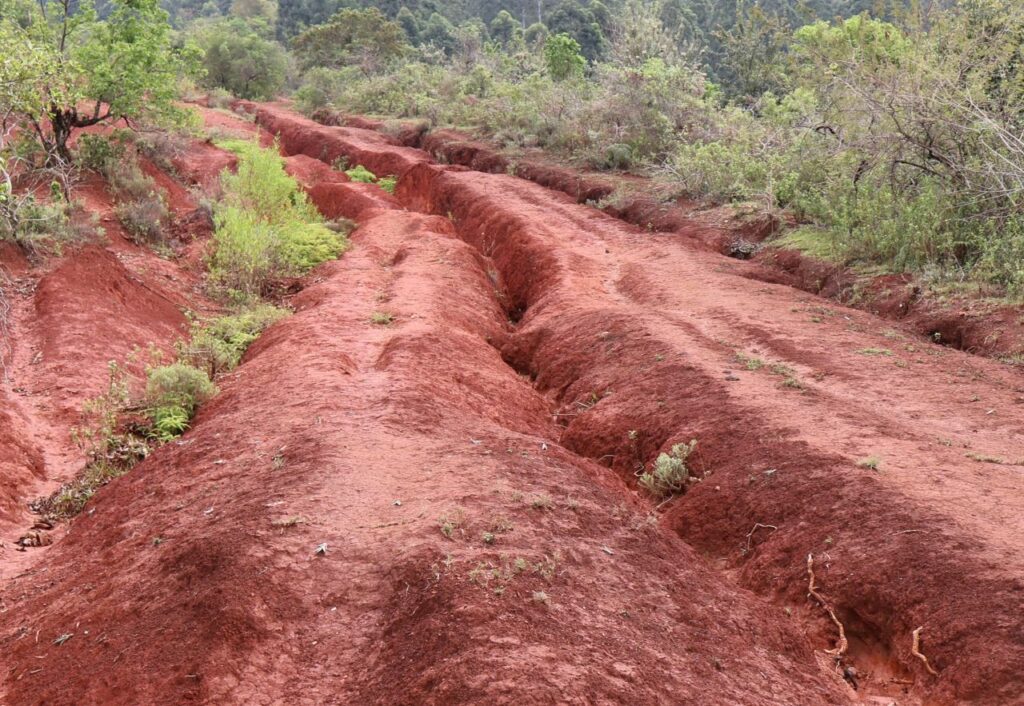
· At Mawelawela Dip Tank, participants observed land degradation and soil erosion, hearing directly from community members about restoration efforts and ongoing challenges.
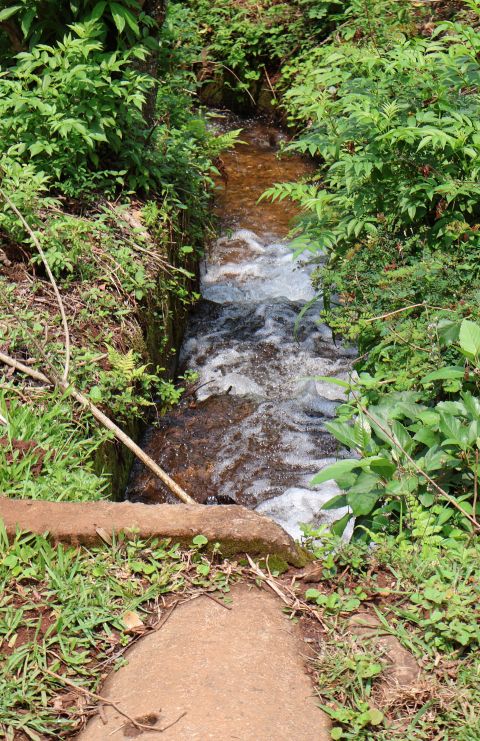
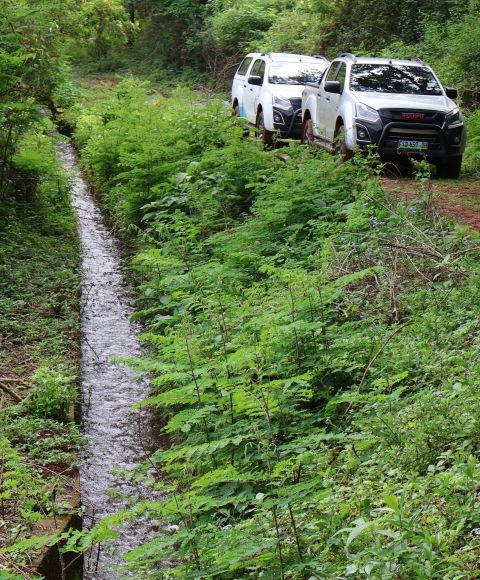
· At Mkhovu 1, the team assessed deterioration of a water‑delivery canal, underscoring the importance of maintaining infrastructure for reliable water use.
· At Bambanani Farmers Association, proposed solar‑powered pumping and drip irrigation showcased how practical technology can strengthen local food production.
· At Gauging Station 34 (GS34), participants engaged with the water‑quality monitoring programme, which builds evidence for informed water‑resource management.
· At Tentele Make Farmers Association, planned interventions include solar pumping, drip irrigation, and measures to protect endangered plant species.
These field realities reinforce a vital principle of Integrated Water Resources Management: institutions may design the plans, but communities live with the outcomes.
The visit highlighted the value of collaboration among JRBA‑PB, River Basin Authorities, INMACOM, UNDP Eswatini, GWPSA, the PMU, farmers, and local communities in translating regional water‑management objectives into practical action.
Funded by the Global Environment Facility, implemented by UNDP Eswatini, and executed by Global Water Partnership Southern Africa, the project supports basin-wide planning, climate and disaster risk preparedness, improved data and information systems, and source-to-sea management approaches that enhance water security, ecosystem resilience, and sustainable development.