
The Governments of Eswatini, Mozambique and South Africa officially launched the implementation of the UNDP-GEF Project
May 28, 2026
SADC-GMI Catuane Groundwater Project
June 2, 2026The UNDP/GEF Project: “Strengthening Integrated Transboundary Management of the Incomati and Maputo River Basins” is driving integrated source‑to‑sea management across the Incomati and Maputo River Basins, the Lubombo Transfrontier Conservation Area, and adjacent coastal zones.
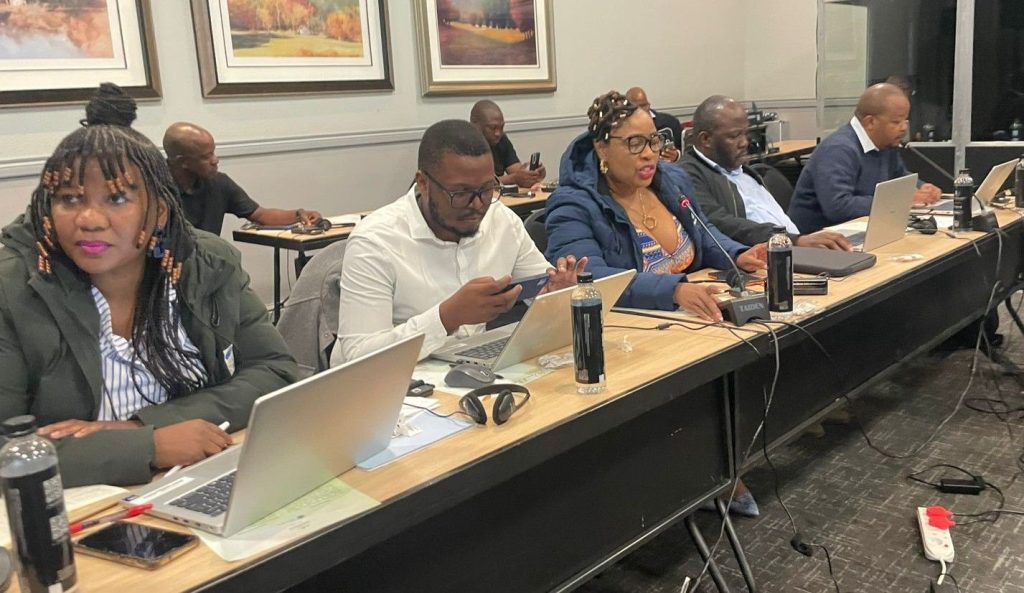
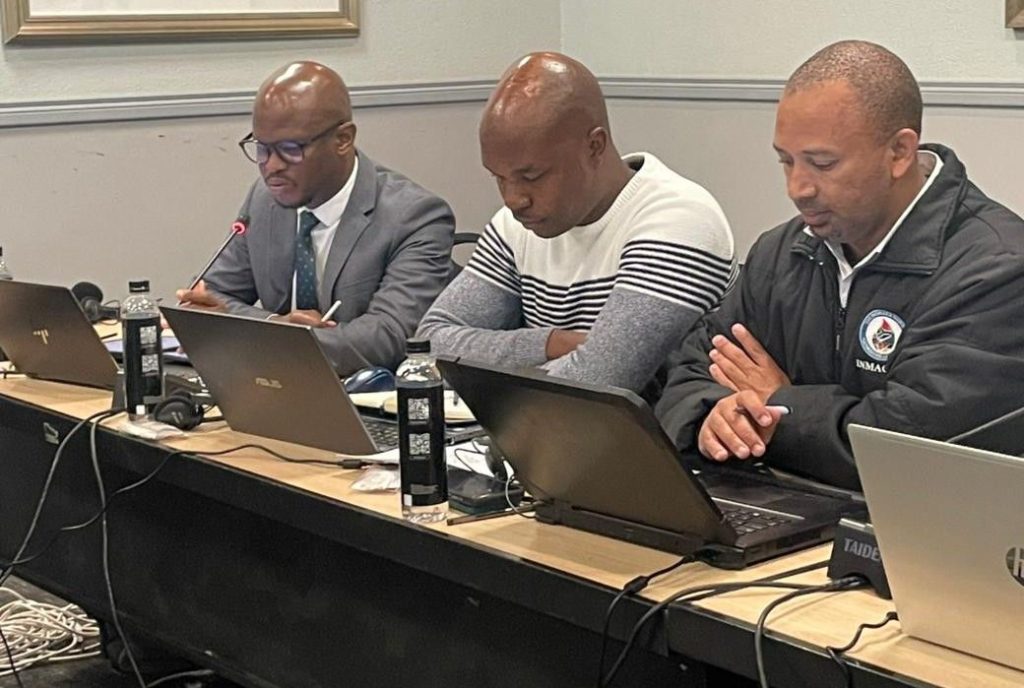
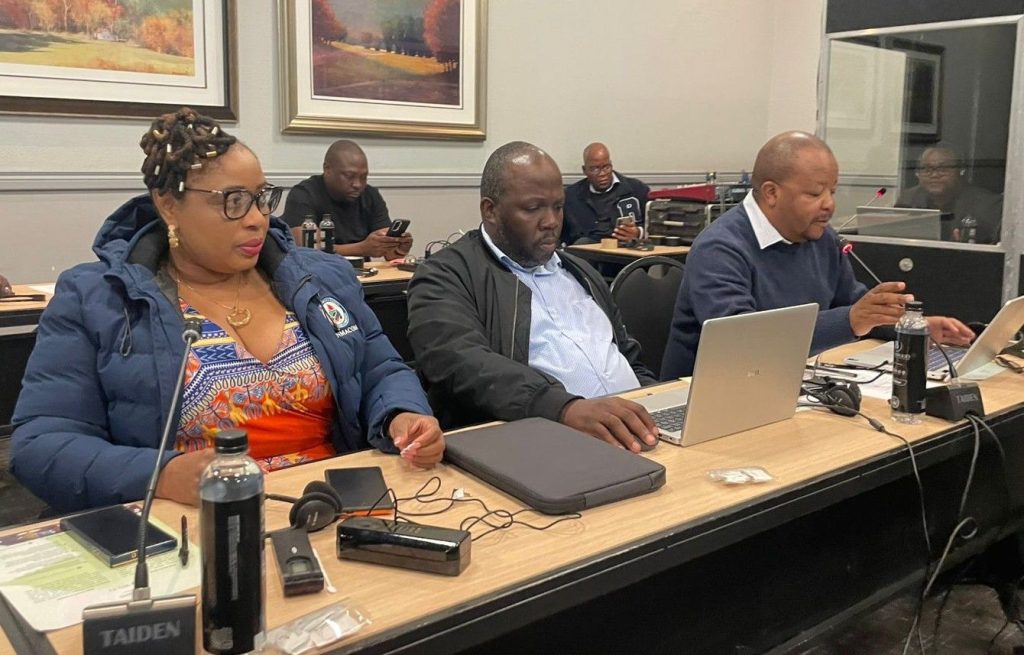
Today, 1 June 2026, at the Birchwood Hotel in South Africa, the Third Project Steering Committee (PSC) Meeting convened to shift focus from project approval and launch to project delivery and results. The PSC responsible for technical implementation, progress tracking, and acceleration towards the 2026 plan serves as a critical governance platform, providing strategic oversight, ensuring accountability, and guiding collective action.
The Purpose of the meeting is to formalize institutional cooperation through structured and sustainable collaboration mechanisms; Identify joint opportunities for coordinated planning and implementation under the project framework. The main participants for the meeting are INMACOM Secretariat; Project Management Unit (PMU); PSC Members from Eswatini, Mozambique, and South Africa.
In his opening remarks, Andrew Takawira, Interim Executive Secretary and Director of Programmes at Global Water Partnership Southern Africa (GWPSA), reflected on the journey to this milestone.
“Through the leadership of INMACOM and the commitment of the Member States, we now have a project that seeks to strengthen transboundary cooperation, build scientific knowledge, enhance source‑to‑sea management, strengthen ecosystems, improve livelihoods, and support long‑term investment planning across the basin. The challenge before us now is implementation.”
He further emphasized that success will not only be measured by activities completed or reports submitted, but by a stronger INMACOM, deeper cooperation among Member States, enhanced engagement with TFCAs and coastal institutions, and tangible benefits for communities, ecosystems, and economies across the basin.